












HAPKIDO
The art of coordinating energy
Hapkido Self Defence
Hapkido is a uniquely comprehensive ancient Korean martial art that is gaining more and more importance as an incredibly practical self-defence system. Hapkido techniques do not require strength, and in conflict situations, they allow the defender to gain complete control with minimal effort and without aggression or injuries to the attacker. The art of Hapkido has the most varied types of techniques. It offers extensive training in many disciplines, including correct breathing techniques, kicking techniques, pressure points, joint-locking, submissions, throwing techniques, weaponry and falling techniques that are vital for self-protection in real-life situations.

Sŏn 善 & Meditation
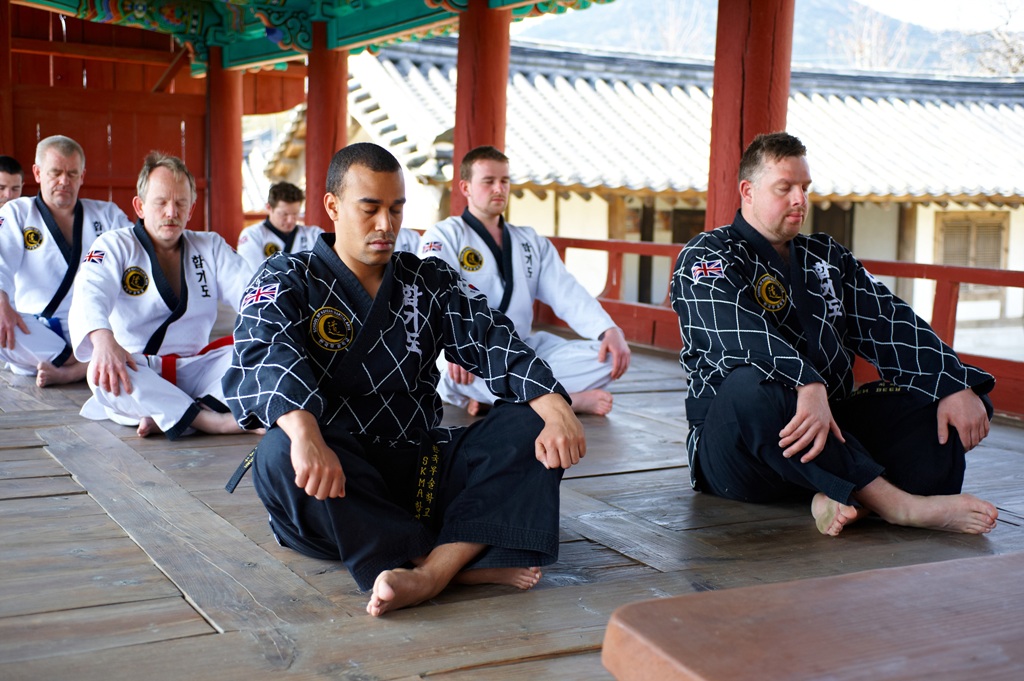
Sŏn, also known as Zen in Japan, is a form of Buddhism that emphasises the practice of meditation as a means of attaining insight and enlightenment. The concept of inner calmness and relaxation in Sŏn refers to a state of mind free from the agitation and stress that often come with daily life and is particularly important when attacked. Through Sŏn meditation, individuals can develop a deep awareness of their inner selves, which can help them control their emotions and responses to external circumstances, remaining calm even when attacked.
The process of achieving inner calmness in Sŏn involves attentive and intensive internal concentration, which allows individuals to focus their minds on the present moment. By doing so, they become more aware of their thoughts, feelings, and bodily sensations and better to observe them without judgment. This heightened sensitivity can lead to a greater understanding of oneself and the world around us. It helps us avoid or entirely mitigate potentially dangerous encounters. One of the key benefits of practising Sŏn meditation is that it can also be applied effectively in daily life.
By cultivating inner calmness and relaxation, individuals are better equipped to handle the ups and downs of life with greater stability. They are less likely to be overwhelmed by stress or negative emotions and can better respond constructively and positively to challenges. In addition to its practical applications in daily life, Sŏn meditation has also been shown to have a range of health benefits. Studies have found that regular meditation can help to reduce anxiety, depression, and chronic pain, as well as improve cognitive function and overall well-being. Through diligent practice, individuals can cultivate a deep sense of inner peace and equanimity that can enhance their physical and mental well-being as effectively as it can help us surprise, overcome or disable any potential attackers.


Sŏn 善 & Meditation
Sŏn, also known as Zen in Japan, is a form of Buddhism that emphasises the practice of meditation as a means of attaining insight and enlightenment. The concept of inner calmness and relaxation in Sŏn refers to a state of mind free from the agitation and stress that often come with daily life and is particularly important when attacked. Through Sŏn meditation, individuals can develop a deep awareness of their inner selves, which can help them control their emotions and responses to external circumstances, remaining calm even when attacked.
The process of achieving inner calmness in Sŏn involves attentive and intensive internal concentration, which allows individuals to focus their minds on the present moment. By doing so, they become more aware of their thoughts, feelings, and bodily sensations and better to observe them without judgment. This heightened sensitivity can lead to a greater understanding of oneself and the world around us. It helps us avoid or entirely mitigate potentially dangerous encounters. One of the key benefits of practising Sŏn meditation is that it can also be applied effectively in daily life.
By cultivating inner calmness and relaxation, individuals are better equipped to handle the ups and downs of life with greater stability. They are less likely to be overwhelmed by stress or negative emotions and can better respond constructively and positively to challenges. In addition to its practical applications in daily life, Sŏn meditation has also been shown to have a range of health benefits. Studies have found that regular meditation can help to reduce anxiety, depression, and chronic pain, as well as improve cognitive function and overall well-being. Through diligent practice, individuals can cultivate a deep sense of inner peace and equanimity that can enhance their physical and mental well-being as effectively as it can help us surprise, overcome or disable any potential attackers.
Dan-Jeon Breathing
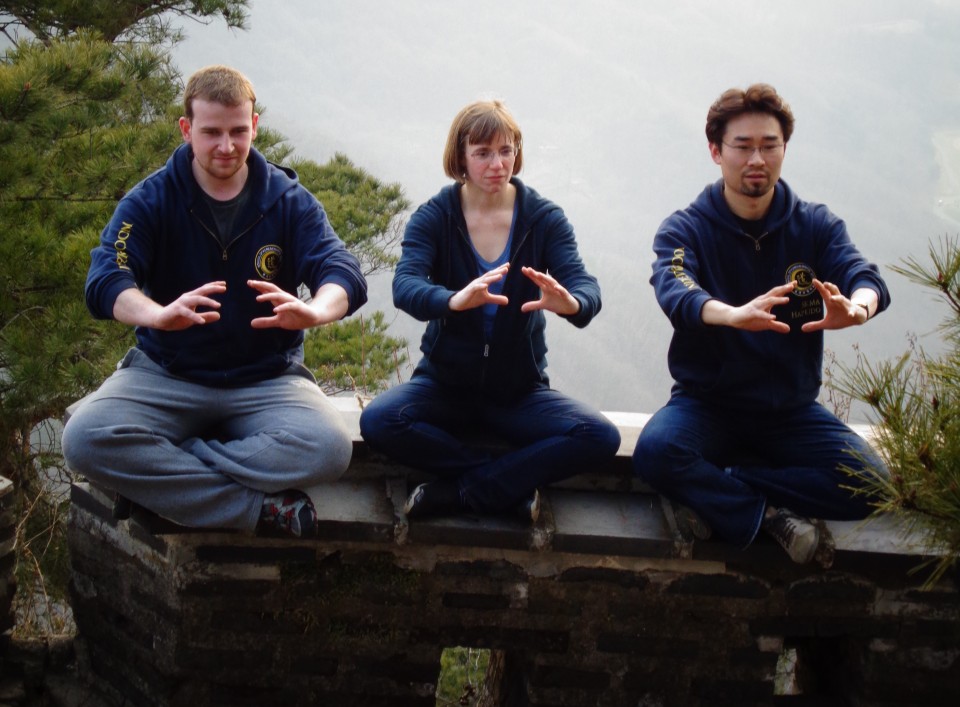
Intensive breathing from the lower abdomen, also known as Dan-Jeon breathing, is a technique used in various Eastern practices, such as Qigong and martial arts, to cultivate physical and mental strength. The technique involves deep, slow, and rhythmic breathing focusing on the lower abdomen, where the Dan-Jeon or energy centre is located. By concentrating on the Dan-Jeon, individuals can gather and channel their energy or life force, known as Qi or Ki, throughout the body, strengthening their physical and mental faculties.
This type of breathing is also believed to promote better circulation, increase lung capacity, and boost the immune system. One of the primary benefits of intensive Dan-Jeon breathing is that it can help to clear the heart and mind. The slow and steady rhythm of the breath can help to calm the mind and reduce stress and anxiety. By focusing on the Dan-Jeon, individuals can connect with their inner selves, promoting greater self-awareness and emotional stability.
In addition to its mental and emotional benefits, intensive Dan-Jeon breathing can enhance physical strength and vitality. By strengthening the core muscles of the lower abdomen, individuals can improve their balance and stability and increase their overall strength and endurance. Intensive Dan-Jeon breathing is a powerful technique for cultivating physical and mental strength and promoting overall health and well-being. Through regular practice, individuals can improve their ability to focus, reduce stress and anxiety, and increase their physical strength and vitality.
Sulki (Self-Defence Techniques)
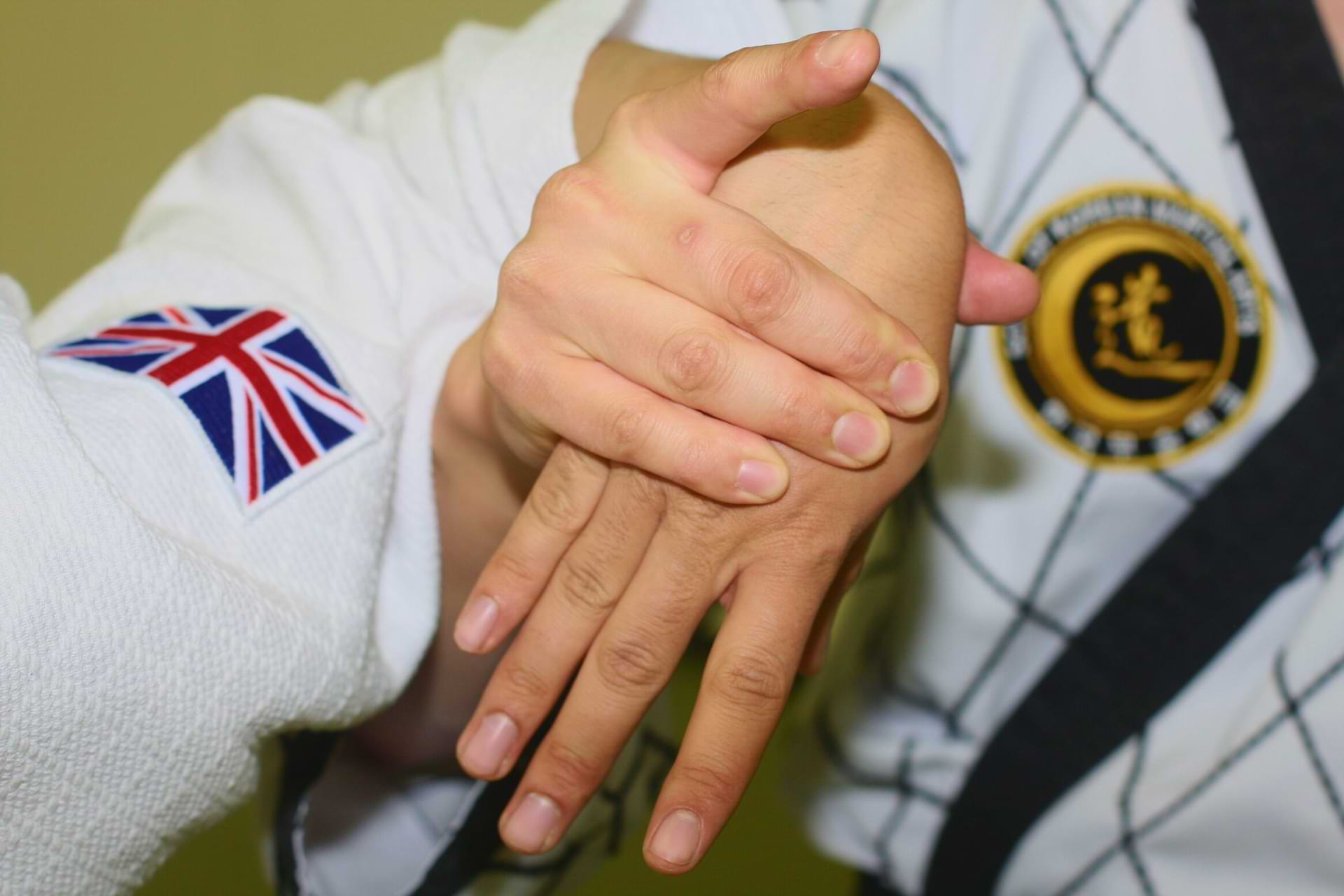
Self-defence techniques are a set of movements and strategies used to defend oneself from physical attacks. They often involve complex and coordinated movements designed to overcome an opponent's attack, such as grips, punches, kicks, or other forms of physical assault. One important aspect of self-defence techniques is vital energy points, similar to those used in acupuncture or acupressure. By applying pressure to these points, practitioners can disrupt an opponent's balance, neutralise their attack, or even cause them to lose consciousness.
These techniques are often taught and practised as a form of massage or therapeutic touch, providing physical and mental health benefits. However, when applied in self-defence situations, these techniques can effectively neutralise an opponent's attack without causing severe injury. Unlike many traditional martial arts, which may focus on inflicting pain or injury on an opponent, self-defence techniques prioritise safety and self-preservation, allowing individuals to protect themselves without resorting to violence. In addition to their practical applications in self-defence situations, self-defence techniques also offer a range of physical and mental health benefits.
By practising these movements regularly, individuals can improve their balance, coordination, and overall physical fitness. They can also develop greater mental focus, self-confidence, and emotional resilience, which can be applied in all areas of life. When used in combination, Sulki self-defence techniques offer a powerful tool kit for promoting physical and mental health and providing individuals with the skills and confidence necessary to defend themselves against physical attacks. Through diligent practice and training, individuals can cultivate the strength, flexibility, and resilience needed to face life's challenges with confidence and grace.
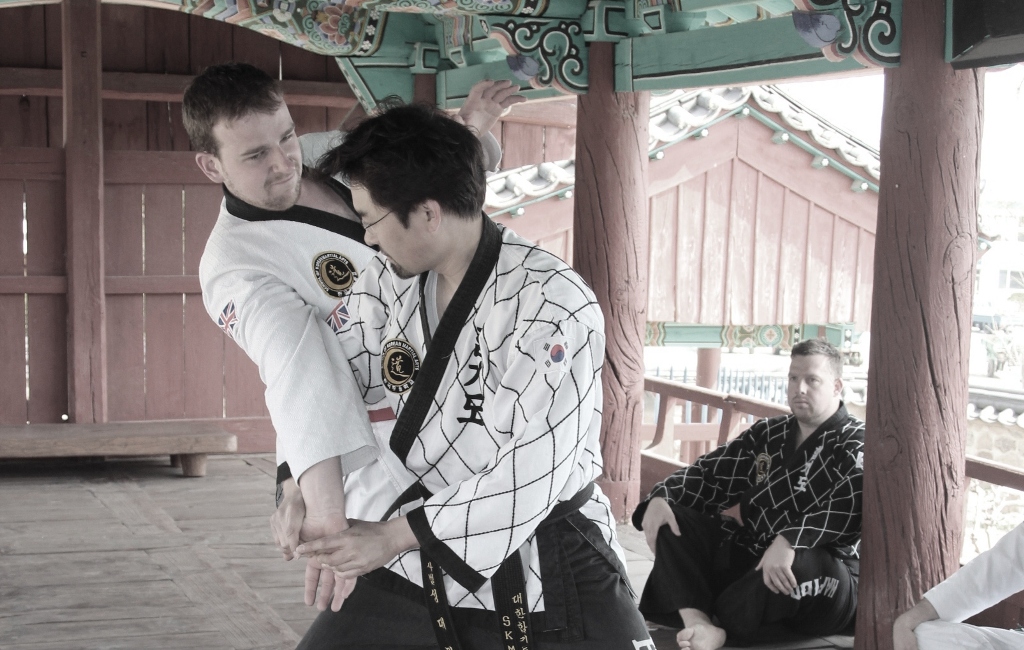
Sulki (Self-Defence Techniques)
Self-defence techniques are a set of movements and strategies used to defend oneself from physical attacks. They often involve complex and coordinated movements designed to overcome an opponent's attack, such as grips, punches, kicks, or other forms of physical assault. One important aspect of self-defence techniques is vital energy points, similar to those used in acupuncture or acupressure. By applying pressure to these points, practitioners can disrupt an opponent's balance, neutralise their attack, or even cause them to lose consciousness.
These techniques are often taught and practised as a form of massage or therapeutic touch, providing physical and mental health benefits. However, when applied in self-defence situations, these techniques can effectively neutralise an opponent's attack without causing severe injury. Unlike many traditional martial arts, which may focus on inflicting pain or injury on an opponent, self-defence techniques prioritise safety and self-preservation, allowing individuals to protect themselves without resorting to violence. In addition to their practical applications in self-defence situations, self-defence techniques also offer a range of physical and mental health benefits.
By practising these movements regularly, individuals can improve their balance, coordination, and overall physical fitness. They can also develop greater mental focus, self-confidence, and emotional resilience, which can be applied in all areas of life. When used in combination, Sulki self-defence techniques offer a powerful tool kit for promoting physical and mental health and providing individuals with the skills and confidence necessary to defend themselves against physical attacks. Through diligent practice and training, individuals can cultivate the strength, flexibility, and resilience needed to face life's challenges with confidence and grace.
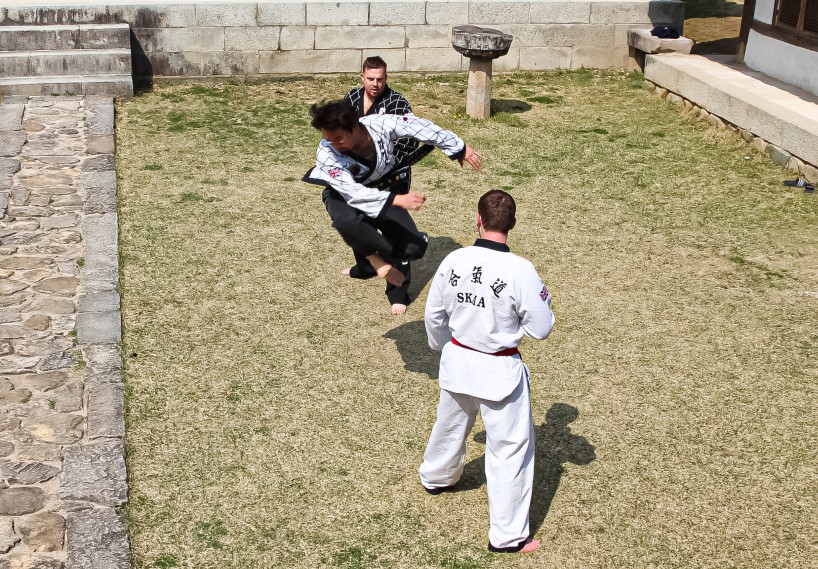
Hapkido Kicks
Practising various kinds of kicks can offer numerous physical and mental benefits, including improved flexibility, body balance, and self-defence skills. Through regular practice of high kicks, low kicks, basic kicks, advanced skill kicks, and more, individuals can develop greater control over their bodies and enhance their overall physical fitness. One of the primary benefits of practising kicks is improved flexibility. Kicks require a wide range of motion, which can help individuals develop greater flexibility and mobility in their hips, legs, and core muscles. This increased flexibility can also improve body balance and coordination, allowing individuals to move more gracefully and effortlessly.
In addition to the physical benefits, practising kicks can also enhance self-defence skills. Kicking techniques can effectively neutralise an opponent's attack, particularly when combined with other martial arts techniques like strikes and locks. Through regular practice, individuals can develop the skill and confidence necessary to defend themselves in various situations.
Another important aspect of kicking practice is the development of counter-attacking skills. Individuals can turn the tables on an attacker and take control of a situation by learning how to anticipate an opponent's attack and respond with a well-timed kick. This requires physical skill, mental focus, and quick reflexes, which can be developed through regular practice. Practising various kinds of kicks is a powerful tool for enhancing physical and mental fitness, improving self-defence skills, and developing greater self-confidence and resilience. Through diligent training and practice, individuals can cultivate the strength, agility, and skill necessary to face life's challenges with grace and confidence.
Breakfalls
Exercising breakfall techniques is an important aspect of many martial arts practices and offers numerous physical and mental benefits. By learning how to fall safely and effectively, individuals can develop greater trust in the ground beneath them and learn to release inner tension that may contribute to anxiety or stress. Breakfall techniques teach individuals how to fall without fear and land softly and naturally like a cat. This requires a combination of physical skill and mental focus, as well as a willingness to trust in one's own abilities and in the support of the ground.
Through regular practice of breakfall techniques, individuals can develop greater coordination, balance, and agility, as well as greater physical resilience and strength. They can also cultivate greater mental focus and emotional resilience, learning to stay calm and centred even in the face of unexpected challenges or obstacles. In addition to their practical applications in martial arts practice, breakfall techniques can offer broader physical and mental health benefits. By learning to fall safely and naturally, individuals can reduce the risk of injury in everyday life and develop greater confidence and resilience in the face of adversity. Exercising breakfall techniques is an important aspect of many martial arts practices and offers numerous physical and mental benefits.
By learning how to fall safely and effectively, individuals can develop greater trust in the ground beneath them and learn to release inner tension that may contribute to anxiety or stress. Breakfall techniques teach individuals how to fall without fear and land softly and naturally like a cat. This requires a combination of physical skill and mental focus, as well as a willingness to trust in one's own abilities and in the support of the ground. Through regular practice of breakfall techniques, individuals can develop greater coordination, balance, and agility, as well as greater physical resilience and strength.
By learning to fall safely and naturally, individuals can reduce the risk of injury in everyday life and develop greater confidence and resilience in the face of adversity. Practising breakfall techniques is an important tool for enhancing physical and mental fitness, improving balance and coordination, and developing greater trust in oneself and the world around us.
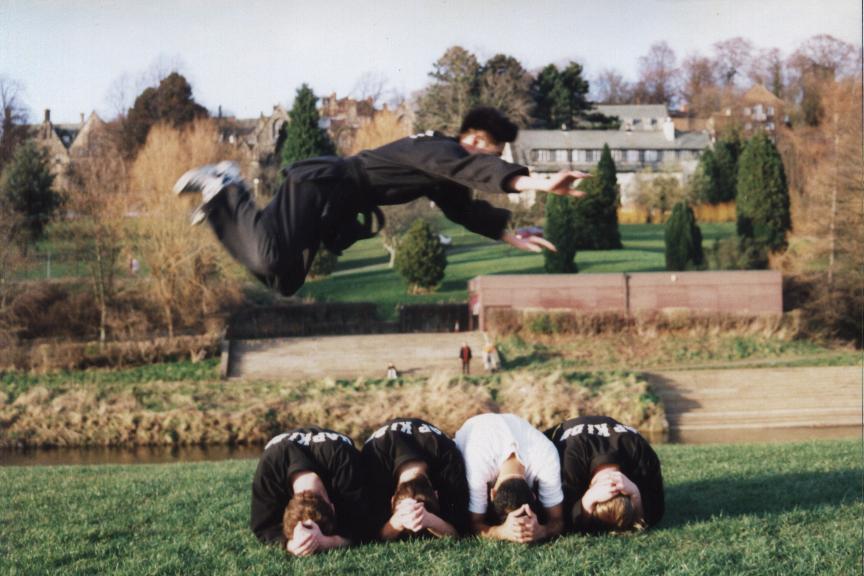
Breakfalls
Exercising breakfall techniques is an important aspect of many martial arts practices and offers numerous physical and mental benefits. By learning how to fall safely and effectively, individuals can develop greater trust in the ground beneath them and learn to release inner tension that may contribute to anxiety or stress. Breakfall techniques teach individuals how to fall without fear and land softly and naturally like a cat. This requires a combination of physical skill and mental focus, as well as a willingness to trust in one's own abilities and in the support of the ground.
Through regular practice of breakfall techniques, individuals can develop greater coordination, balance, and agility, as well as greater physical resilience and strength. They can also cultivate greater mental focus and emotional resilience, learning to stay calm and centred even in the face of unexpected challenges or obstacles. In addition to their practical applications in martial arts practice, breakfall techniques can offer broader physical and mental health benefits. By learning to fall safely and naturally, individuals can reduce the risk of injury in everyday life and develop greater confidence and resilience in the face of adversity. Exercising breakfall techniques is an important aspect of many martial arts practices and offers numerous physical and mental benefits.
By learning how to fall safely and effectively, individuals can develop greater trust in the ground beneath them and learn to release inner tension that may contribute to anxiety or stress. Breakfall techniques teach individuals how to fall without fear and land softly and naturally like a cat. This requires a combination of physical skill and mental focus, as well as a willingness to trust in one's own abilities and in the support of the ground. Through regular practice of breakfall techniques, individuals can develop greater coordination, balance, and agility, as well as greater physical resilience and strength.
By learning to fall safely and naturally, individuals can reduce the risk of injury in everyday life and develop greater confidence and resilience in the face of adversity. Practising breakfall techniques is an important tool for enhancing physical and mental fitness, improving balance and coordination, and developing greater trust in oneself and the world around us.
The Theory of Hapkido Dynamics
The Theory of Hapkido Dynamics is a key component of effective self-defence practice, emphasising the importance of balance, adaptability, and coordination in achieving successful outcomes. To fully understand the Theory of Dynamics, practitioners must engage with three principle theories of Hapkido: Circular Motion, Water, and Coordination. These principles are rooted in the concept of balance, which is central to Hapkido philosophy and draws on the principles of Yin and Yang.
Yin and Yang are opposing but complementary forces that are constantly in motion, seeking to achieve balance and harmony. The Theory of Dynamics applies this concept of balance to self-defence practice, emphasising the need to create a balance between two opposing forces and use it to one's advantage. This balance is not static, but rather requires constant adjustment and adaptation in response to changing circumstances.
The Theory of Circular Motion emphasises the need for continuous motion in order to maintain balance, drawing on the metaphor of a spinning top. The body must be in a constant state of motion, adjusting and adapting to maintain equilibrium and prevent loss of balance.
The Theory of Water emphasises the importance of fluidity and adaptability in self-defence practice, drawing on the properties of water to illustrate the need for techniques that can flow around obstacles and adapt to changing circumstances.
The Theory of Coordination brings together these principles, emphasizsng the importance of integrating continuous, fluid motion with dynamic balance and adaptability. By embodying the principles of Yin and Yang in their practice, practitioners can develop a deep understanding of the dynamics of motion and cultivate the skills and techniques necessary to defend themselves effectively in any situation.